

During a short trip to Washington, D.C., I found that art is everywhere, and not just for decoration. Monuments, rotunda paintings, and sculptures help create a collective memory for a nation. Even the Changing of the Guard at the Tomb of the Un-known Soldier, with a precise choreography, goes beyond the practical purpose of protecting the tomb: it communicates meaning, identity, and embeds memory into the hearts of individual citizens and the collective soul of a nation. So, I asked again: how did the designers know artistic forms were vital to building a nation? Have we swept that understanding away when we started isolating art into its own elite, functionless silo? I suggest, along with arts philosophers, that art was meant for function, not just “disinterested contemplation.” Perhaps, just as God’s earth was unfinished while “without form, and void,” that indeed form is a need, not just an option for a completed work. Truth needs the Spirit of God in action to trans-form; yet it is also demonstrably true that art forms can powerfully penetrate hearts and bear fruit.
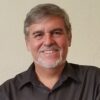
Elsen Portugal (PhD, Ethnodoxology), born in Brazil, has served in international missions in Germany, Brazil, and Costa Rica for 31 years. He is a classically trained pianist currently serving in musical venues, as well as a care pastor and college administrator in and around Hot Springs, AR, USA (Champion Christian College). He and his wife, Michelle, have four children and nine grandchildren. In his role as ethnodoxologist, Elsen spearheaded an Initiative (TAM – Theology and Arts in Ministry) to promote the integration of the biblical foundations of the arts into theological education (https://theologyandarts.com).





Leave a Reply