
Vol. 3 No. 2 (2026)
This issue features a wide variety of themes. It begins by introducing Koinonia Theological Seminary (KTS) as our new academic partner and includes an interview with Jill Zwyghuizen, KTS’s academic dean. Articles include Josh Frost’s second part of Emotion Hermeneutics. Then, missional data workers Lara Henevelt and Bud Houston explore why tracking orality data matters, followed by John Paul Arceno, who offers insights on orality and digitality. Greeto Racharia writes about the oral history of Hinduism. Jerome Cepeda and David Ige contribute articles about oral discipleship, and Elsen Portugal shares about memory, arts, and symbols before Sulamita Sousa concludes the issue with a book review of Engaging Jesus with Our Senses.
-

A New Chapter: IOS & KTS
The first article is Joshua Frost’s second part of Emotion Exegesis, followed by two articles about orality and missional data. Lara Hevevelt describes the orality data gap and explains why…
-

Emotion Exegesis for Faithful Oral Bible Translation: From Theory to Practice: Method and the Role of AI (Part 2)
This is the second of a two-part article adapted from a presentation at the Oral Bible Translation National Consultation in Brazil. Part 1 established that emotions are foundational to cognition,…
-
The Orality Data Gap
The global missions data ecosystem tracks languages, Bible translation status, people-group identifiers, and evangelical presence with respected precision, yet it of-ten overlooks whether a people group is high-orality-reliant, learning and…
-
Measuring What Matters in Orality: Why Tracking the Mission Is a Native Oral Practice, What Scripture Counted, and the Biases That Distort Our Reporting
Missions researchers frequently encounter the objection that counting is a text-based, Western imposition on high-orality-reliant communities, and that such communities cannot meaningfully report on the progress of the gospel among…
-
Orality and Digitality: Extending and Limiting Human Communication
This article aims to show how digital technologies (or simply, digitality) extend and limit human communication, specifically orality. It is divided into four parts. The first part sets the background…
-
The Development of Hindu Religion in India: An Orality-Oriented Perspective for Christian Ministry among Hindus
This article examines the historical development of Hinduism in India through an orality-oriented perspective and explores its implications for contextual Christian ministry among Hindus. The study highlights that Hinduism evolved…
-

Story-Shaped Faith: Reimagining Discipleship Through Story and Play
Discipling a multigenerational church, especially helping young people engage meaningfully in theology, has long concerned me. I want them not only to learn theological truths but also to be transformed…
-
Discipling Youths from Dysfunctional Homes: Orality Approach
This article offers a creative case study on utilizing oral narratives and symbolic rituals to facilitate worldview transformation in traumatized youth. It follows Abdul, a Nigerian youth raised in a…
-
The Architecture of Memory: Why Art is Everywhere?
During a short trip to Washington, D.C., I found that art is everywhere, and not just for decoration. Monuments, rotunda paintings, and sculptures help create a collective memory for a…
-
Adopting Orality Studies at Koinonia Theological Seminary: Challenges and Opportunities
Jerome Cepeda, one of our Orality Collaborators, sat down with Dr. Jill Zwyghuizen in Davao on September 11, 2026. She is an Old Testament scholar, teacher, and the academic dean…
-
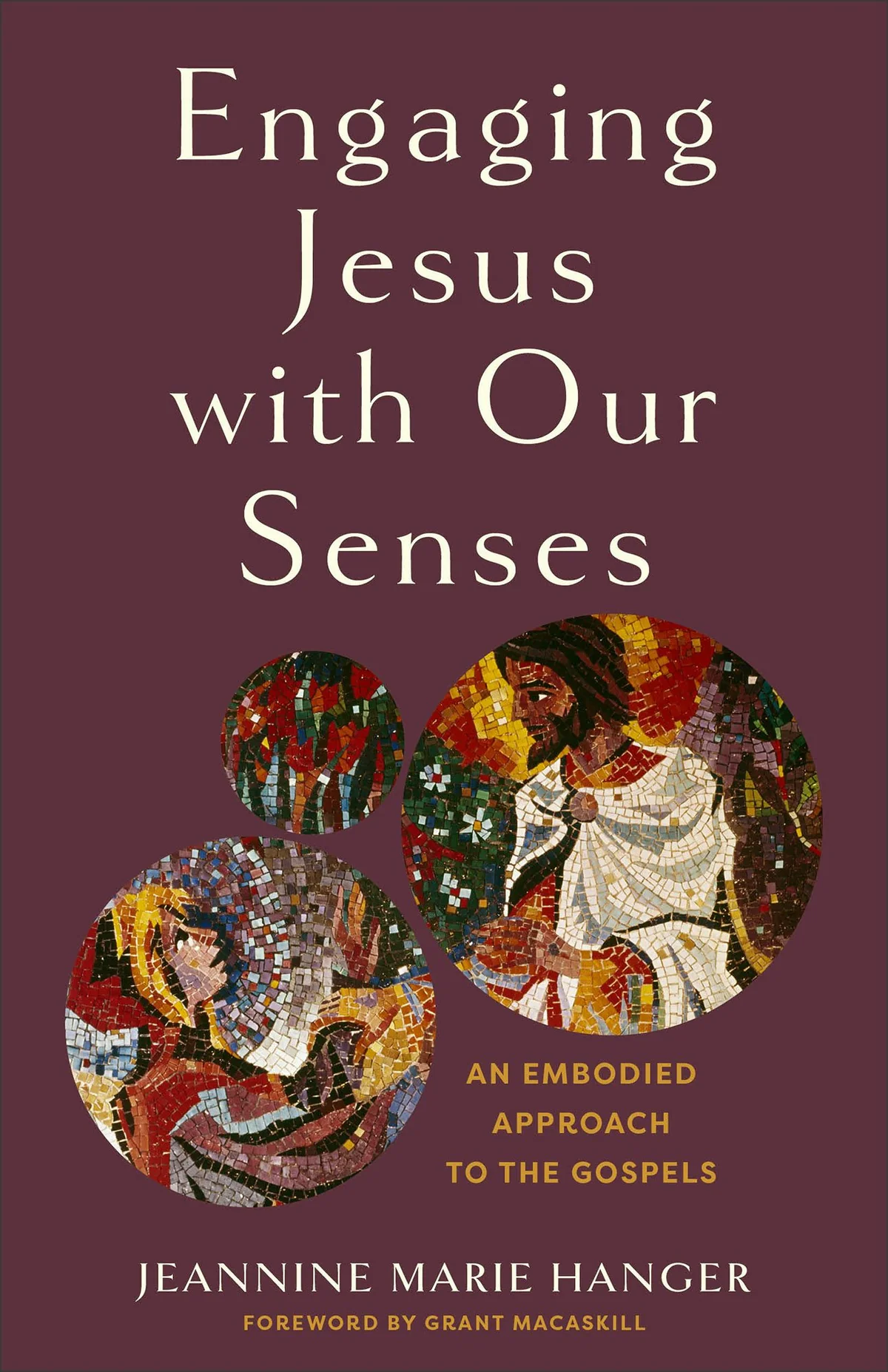
Engaging Jesus with Our Senses: An Embodied Approach to the Gospels
Hanger, J. M. (with Macaskill, G.). (2024). Engaging Jesus with our senses: An embodied approach to the gospels. Baker Academic. ISBN 978-154-09667-2-8.